Service
Roof Inspection
A thorough on-roof and attic inspection covering shingle condition, flashing, ventilation, and signs of leaks or storm damage, with a written report you can use for insurance claims or home sale negotiations.
A roof inspection is cheap insurance against an expensive surprise — whether you're buying a home, filing an insurance claim after a storm, or just want a straight answer on how much life is left up there before you commit to anything.
What a Roof Inspection Costs
Nationally, a professional roof inspection runs $75 to $1,150, with most homeowners paying somewhere around $150 to $400 depending on roof size, pitch, and inspection type:
- Standard physical inspection (someone actually walks the roof): $75–$200
- Drone inspection (used when a roof is too steep or unstable to walk safely): $150–$400
- Infrared inspection (detects trapped moisture and early leak activity before it's visible): $400–$600
- Attic inspection add-on (checks for rot, mold, and ventilation problems from underneath): $200–$500
Some roofing companies offer a basic visual inspection at no cost when you're getting a repair or replacement estimate — worth asking about directly, since it's not always advertised.
Key takeaway
A physical, on-roof inspection catches more than a drone flyover — drones are the right call when the roof genuinely isn't safe to walk, not as a default cost-saving substitute. Ask what type of inspection you're actually paying for before booking.
What Happens During an Inspection
A real inspection covers more than a glance at the shingles from a ladder. It should include:
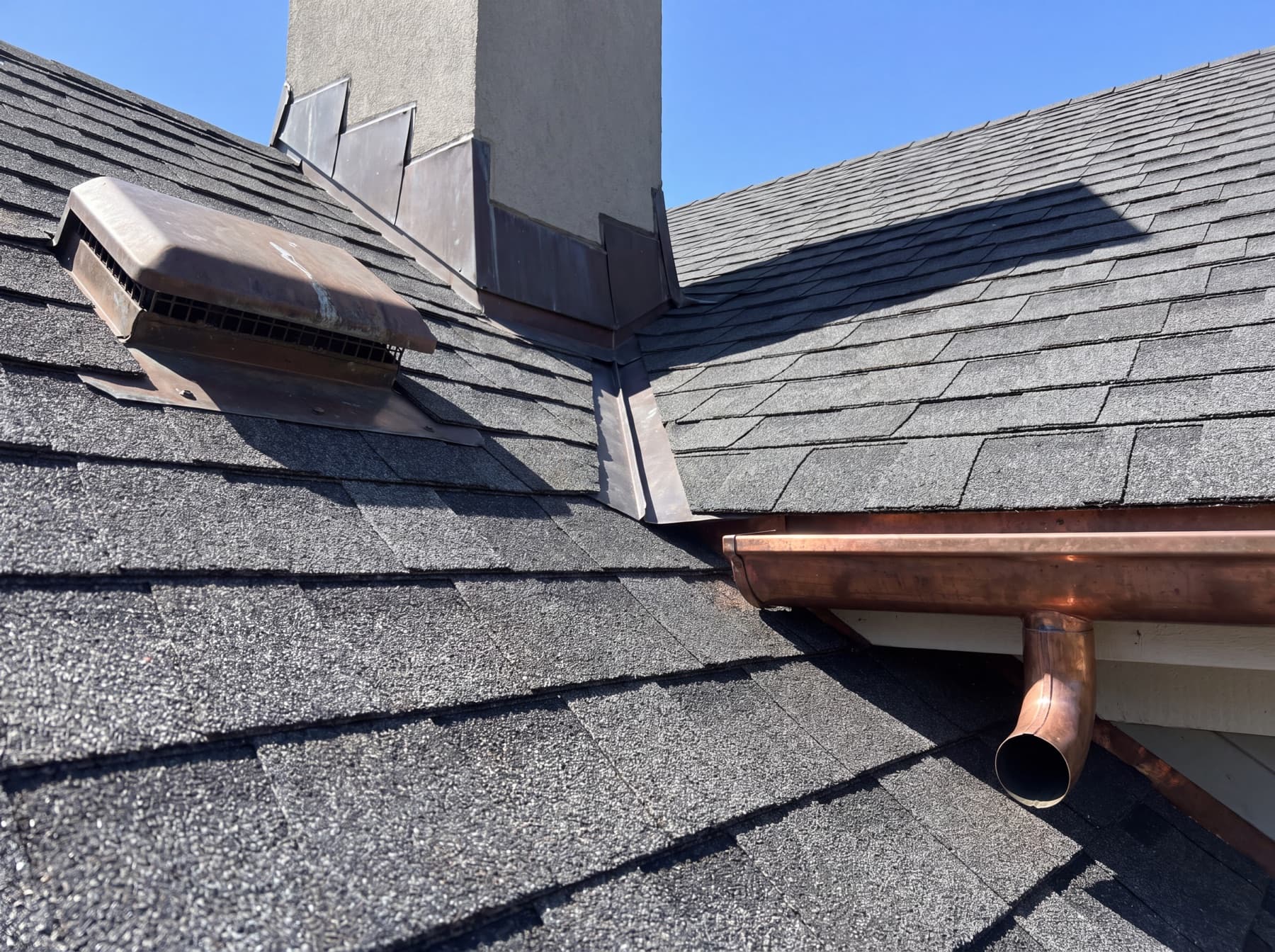
- Surface condition — missing, curling, cracked, or granule-bare shingles; damaged flashing around chimneys, vents, and skylights; and signs of storm or hail impact.
- Structural signs — sagging sections, soft spots in the decking underfoot, and anything suggesting water has been sitting somewhere it shouldn't.
- Attic and ventilation — checked from the inside, since poor attic airflow is one of the most common reasons roofs fail years before their expected lifespan, and it's invisible from the ground.
- Drainage — gutter condition, downspout function, and whether water is actually being carried away from the foundation or pooling somewhere it can back up under the roofline.
You should walk away with more than a verbal "looks fine" — a written report noting condition, any problem areas, and a realistic estimate of remaining roof life is worth asking for, especially if you're using the inspection for an insurance claim, a home sale, or a roof certification for a lender.
When to Get One
A yearly inspection is reasonable for most roofs, with an additional check after any major storm — hail, high winds, or a fallen tree limb are all worth a look even if nothing looks obviously wrong from the ground. If your roof is approaching the upper end of its expected lifespan, an inspection is also the fastest way to get a real answer on whether you're looking at another few years of normal maintenance or a replacement conversation worth starting now.
What's Actually in an Inspection Report
A report worth paying for includes more than a pass/fail verdict. Expect it to cover:
- Photo documentation of any problem areas, not just a written description — useful for insurance claims, contractor estimates, and comparing condition year over year.
- Condition notes by component — shingles or roofing material, flashing, ventilation, gutters, and decking (where visible), rather than one overall grade.
- A realistic remaining-life estimate, based on actual observed condition rather than a generic number tied to the material's original warranty.
- Specific recommendations, prioritized — what needs attention now versus what's worth monitoring over the next year or two.
If an inspection comes back with only a verbal summary and no documentation, it's worth asking for a written version, especially before relying on it for anything beyond your own peace of mind.
Using an Inspection for Insurance or a Home Sale
For an insurance claim, a dated, photo-documented inspection report is often the difference between a claim that gets approved quickly and one that gets disputed — it establishes the roof's condition at a specific point in time, which matters if you're arguing that damage came from a specific storm rather than gradual wear (gradual wear is typically excluded from coverage; storm damage usually isn't). For a home sale, a pre-listing inspection lets you address issues on your own terms and timeline rather than having a buyer's inspector find them first and use the report as leverage in negotiations — a roof flagged during a buyer's inspection can knock thousands off an offer or stall a deal entirely, even when the actual fix would have been comparatively minor.
Common Issues Inspections Catch
The problems that show up most often in an inspection are rarely dramatic on their own — that's exactly why they go unnoticed without one. Granule loss on aging shingles, flashing that's pulled slightly away from a chimney or vent, minor sagging in a valley, ventilation that's inadequate for the attic's size, and small areas of moss or algae growth all fall into this category. None of them are emergencies individually. Left unaddressed, any one of them is how a roof ends up failing five or ten years ahead of schedule instead of reaching its full expected lifespan.
An inspection also occasionally turns up something more urgent — active moisture in the decking, a section of flashing that's fully failed, or storm damage that isn't visible from the ground at all. Catching those early is usually the difference between a repair measured in hundreds of dollars and one measured in thousands once water has had time to spread into decking, insulation, or the ceiling below.
Where We Offer Roof Inspection
What Homeowners Look For
A few things customers consistently tell us matter most.
Frequently Asked Questions
Ready to get this fixed?
Call now or request a free estimate — we'll get back to you fast.